Best Yarn for Crochet Blankets: Fiber, Weight and 6 Yarns to Try
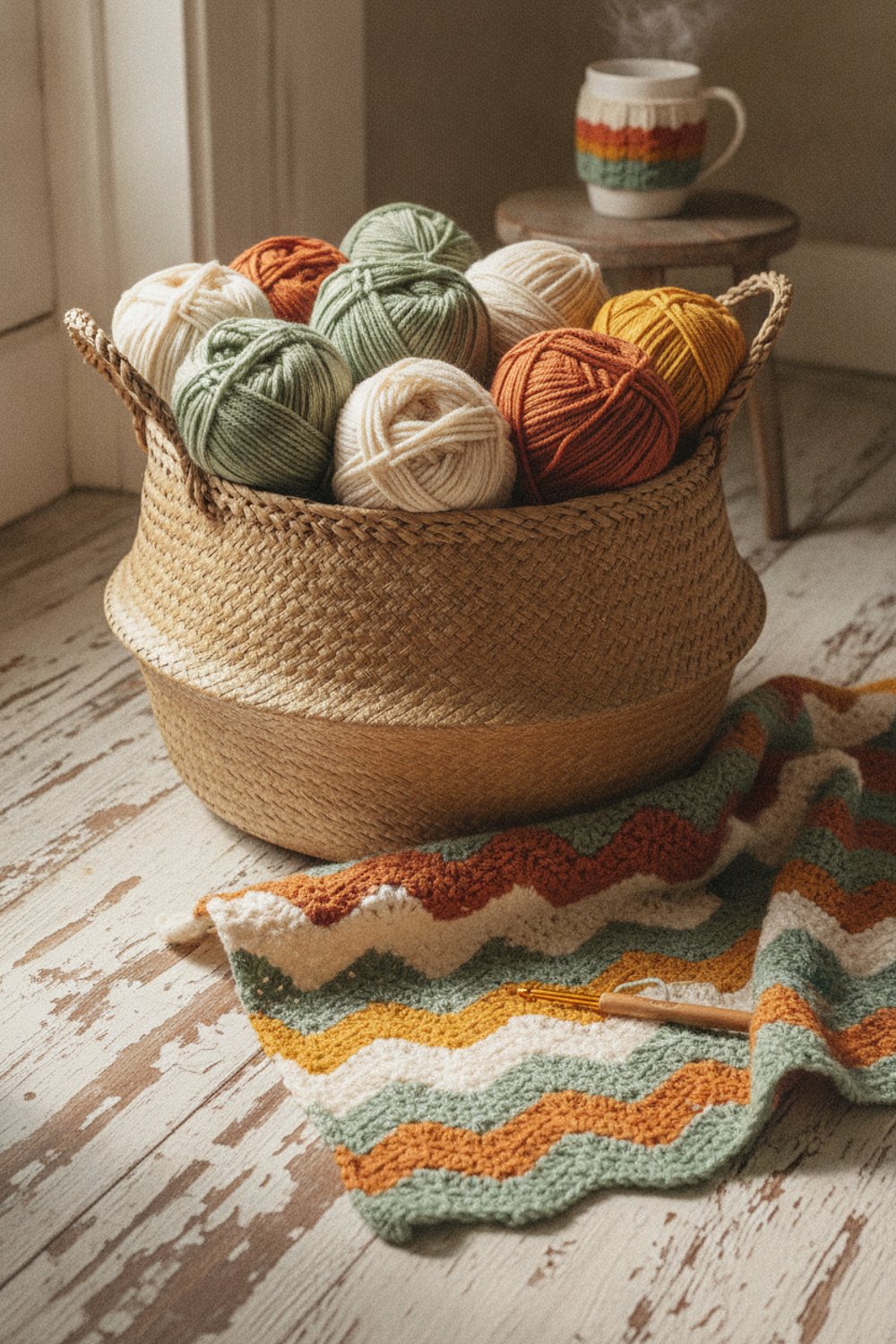
A blanket is a big investment of time and yarn, so the yarn you choose really matters. The right yarn makes a blanket that is soft, warm, easy to wash and still looks good after years on the couch. The wrong yarn can pill, stretch, or cost far more than you planned.
This guide explains how to choose the best yarn for crochet blankets: which fibers work best, which yarn weight to pick, and how to estimate how much you need. We also list six popular blanket yarns with their real label details, so you can compare them side by side.
What You’ll Need
- Yarn (see the options below)
- A crochet hook that matches your yarn weight
- A small craft scale for weighing test swatches
- A measuring tape
- A yarn needle
Step 1: Choose the Fiber
Ask yourself two questions: who will use the blanket, and how often will it be washed?
| Fiber | Pros | Cons | Best for |
|---|---|---|---|
| Acrylic | Affordable, huge color range, usually machine washable and dryable | Less breathable, can pill over time | Everyday throws, kids’ and baby blankets, granny squares |
| Cotton | Breathable, cool, strong, great stitch definition | Heavier, less stretchy, can be stiff, slower to dry | Summer blankets, picnic throws |
| Wool | Warm, springy, blocks beautifully | Often hand wash only, more expensive, some people find it itchy | Heirloom and winter blankets |
| Wool or cotton blends | Mix of softness, warmth and easy care | Price varies a lot | A good middle ground |
| Polyester chenille (“blanket yarn”) | Very soft, plush, works up very fast | Hard to see stitches, can be tricky to rip back | Quick chunky throws |
Always read the label. Care instructions vary even within the same fiber. If a blanket is for a baby or will be washed often, choose a yarn marked machine washable.
Step 2: Choose the Yarn Weight
Yarn weight means the thickness of the yarn, not how heavy the ball is. The Craft Yarn Council’s Standard Yarn Weight System gives these usual crochet hook ranges:
| Weight | Category | Usual hook range | Blanket feel |
|---|---|---|---|
| #3 Light | DK, light worsted | 4.5 to 5.5 mm (7 to I-9) | Light, drapey, detailed |
| #4 Medium | Worsted, aran, afghan | 5.5 to 6.5 mm (I-9 to K-10.5) | The classic blanket weight |
| #5 Bulky | Chunky, craft, rug | 6.5 to 9 mm (K-10.5 to M-13) | Thick and fast |
| #6 Super Bulky | Super bulky, roving | 9 to 15 mm (M-13 to Q) | Very thick and very fast |
These are guidelines only. Always use the hook and gauge listed in your pattern.
Our pick for most granny square and blanket projects: #4 worsted. It is easy to find, comes in endless colors, and is thick enough to work up at a good pace without being bulky. DK (#3) is lovely for lighter blankets and baby blankets. Bulky and super bulky are great when you want a blanket done in a weekend.
Step 3: Compare Popular Blanket Yarns
These details come from the manufacturer or retailer product pages at the time of writing. Colors and stock change, so check before you buy.
| Yarn | Fiber | Weight | Skein size | Care |
|---|---|---|---|---|
| Red Heart Super Saver (solids) | 100% acrylic | #4 worsted | 7 oz (198 g), 364 yd | Machine wash warm, tumble dry low |
| Lion Brand Pound of Love | 100% acrylic | #4 worsted | 16 oz (454 g), 1,020 yd | Machine wash and dry |
| Lion Brand Heartland (solids) | 100% acrylic | #4 worsted | 5 oz (142 g), 251 yd | Machine wash and dry, gentle |
| Stylecraft Special DK | 100% acrylic | #3 DK | 100 g, 323 yd | Machine wash 40°C delicate, tumble dry low |
| Lion Brand 24/7 Cotton | 100% mercerized cotton | Worsted | 100 g, 186 yd | Machine wash 40°C, tumble dry low |
| Bernat Blanket | 100% polyester | #6 super bulky | 5.3 oz (150 g), 108 yd | Machine wash delicate, tumble dry gentle |
Quick notes on each:
- Red Heart Super Saver is a budget classic with a big color range. Yarnspirations lists afghans and home decor among its main uses.
- Pound of Love gives you over 1,000 yards in one skein, which means fewer joins and fewer ends in a solid-color blanket.
- Heartland is the yarn Sarah Maker used for her free Granny Square Blanket with a 6 mm (J-10) hook.
- Stylecraft Special DK is a favorite for colorful granny squares because of its huge shade range.
- 24/7 Cotton is great for summer throws and anything that needs crisp stitches.
- Bernat Blanket is plush and fast. The label recommends an 8 mm (L-11) hook.
Step 4: Make a Swatch Before You Buy in Bulk
Step 1: Buy one skein of the yarn you are considering.
Step 2: Crochet a swatch or one granny square with the hook you plan to use.
Step 3: Wash and dry it the way you will wash the blanket.
Step 4: Check it: Is it still soft? Did it shrink, stretch or pill? Does the drape feel right?
This one skein can save you from buying 10 skeins of a yarn you do not love.
Step 5: Estimate How Much to Buy
Yardage depends on your blanket size, stitch, hook and tension, so the best estimate comes from your own swatch:
Step 1: Weigh your washed swatch or square in grams.
Step 2: Work out how many swatches or squares fit in your blanket.
Step 3: Multiply, then add extra for joining and the border.
Step 4: Divide by the grams per skein and round up.
As a real example, Sarah Maker’s 38 x 50 inch granny square blanket uses about 1,757 yards of Heartland, or 7 skeins. Buy all your yarn at once so the dye lots match.
Common Mistakes (and How to Fix Them)
- Choosing yarn by color only. Read the fiber and care label first, especially for baby or everyday blankets.
- Mixing yarns that act differently. A cotton square and an acrylic square of the same weight can come out different sizes. Stick to one yarn line per blanket if you can.
- Using a hook that is too small. Blankets need drape. If your fabric feels stiff, go up a hook size.
- Not buying enough. Running out means hunting for a matching dye lot. Buy extra up front.
- Ignoring the weight of the finished blanket. A large cotton or super bulky blanket can get very heavy. Think about who will use it.
Tips
- For baby blankets, choose a soft, machine-washable yarn and avoid fuzzy yarns that shed.
- For granny squares, smooth yarns show off the clusters much better than fuzzy or textured yarns.
- Save labels from every skein. They hold the care instructions and dye lot numbers.
- Big-skein yarns like Pound of Love are great for solid blankets. Smaller skeins are better when you need lots of colors.
- Check your local craft store’s sale cycle. Blanket yarn adds up, and a sale can make a big difference.
FAQ
What is the best yarn for a crochet blanket for beginners?
A smooth, light-colored #4 worsted acrylic is easiest for beginners. It is affordable, easy to see stitches in, and usually machine washable. Red Heart Super Saver and Lion Brand Heartland are two widely available options. Avoid dark, fuzzy, or super bulky chenille yarns for your first blanket.
Is acrylic or cotton better for a crochet blanket?
Acrylic is usually better for everyday blankets because it is lighter, softer, cheaper and easy to machine wash and dry. Cotton is better for warm weather, because it is breathable and cool. Cotton blankets tend to be heavier and less stretchy, so they suit smaller throws and summer blankets.
What weight yarn is best for a blanket?
Worsted (#4) is the most popular blanket weight because it balances speed, warmth and stitch detail. DK (#3) makes lighter, drapier blankets, and bulky (#5) or super bulky (#6) work up much faster. Pick the weight your pattern calls for, and use the Craft Yarn Council hook ranges as a guide.
Choose a yarn you enjoy touching, test one skein, and your blanket will be a joy to make and to use.